
Stickies to Systems: Mapping Small Operations That Actually Flow
Today we dive into Visual Process Mapping and SOP Design with Sticky Notes for Small Operations, transforming scattered know‑how into visible flows everyone understands. You’ll learn facilitation techniques, practical patterns, and humane writing approaches that turn colorful walls into reliable, lightweight SOPs. Expect stories from tiny teams, pitfalls to avoid, and templates you can adapt immediately to increase consistency, speed onboarding, reduce errors, and keep quality rising without drowning anyone in paperwork.

Start on the Wall, Not in a Document
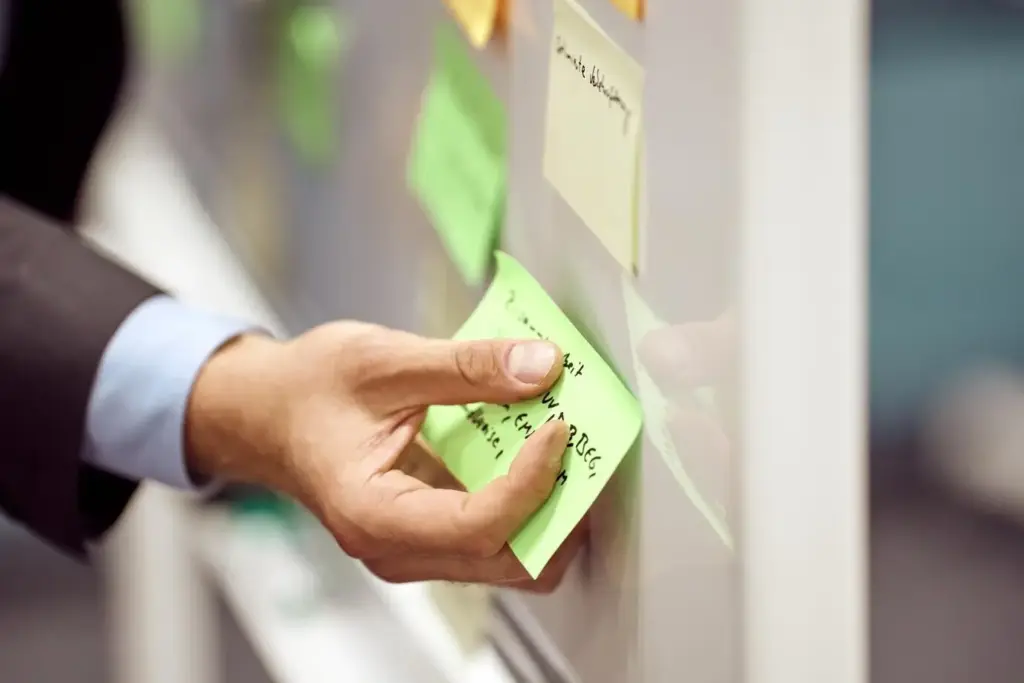
Before typing a single sentence, gather people around a wall and let the work become visible. Sticky notes invite participation, reduce fear of being wrong, and surface tacit knowledge quickly. In one two‑person bakery, mapping dough prep to delivery uncovered eight hidden handoffs and cut morning chaos dramatically. Begin where hands actually move, and your SOPs will reflect reality, not wishful thinking.

Facilitating the Mapping Session Like a Pro
Swimlanes and Hand‑offs
Swimlanes clarify who does what and when items move. Handoffs are where delays and errors breed, especially in small operations where roles blur. Draw clear lanes for roles or locations, then trace one item’s journey. Mark every touch with initials. This reveals redundant checks, missing confirmations, and opportunities to combine steps or automate notifications so nothing silently stalls between people.
Bottlenecks and Delays
Ask the team where work piles up, and why. Is it waiting for approvals, information, or materials? Note average wait times directly on sticky corners. Small shops often hide delays in “quick favors” that accumulate. Quantifying even rough minutes creates urgency without blame. Circle bottlenecks in bold, estimate costs, and list experiments to test next week rather than chasing perfect solutions.
Edge Cases and Exceptions
Document the weird scenarios that derail normal flow: partial payments, missing files, broken inventory, or VIP rush orders. Give each exception its own mini‑path and clearly marked triggers. Exceptions are where judgment matters and errors multiply. Writing them down acknowledges reality, protects service quality, and offers new hires practical guardrails that reduce anxiety while preserving the flexibility small operations treasure.
Turning the Wall into Clear, Useful SOPs
Once the map feels right, translate it into concise steps anyone can follow under pressure. Keep language plain, start each line with a strong verb, and define done with observable outcomes. Bundle checklists, screenshots, and job aids where they help. Link risks to controls and ownership. Your aim is confident action, not literature. Clarity today beats elegance nobody consults tomorrow.


Simple Controls That Stick
Pair high‑risk steps with visible checks someone already performs. A signature box, timestamped photo, or auto‑saved screen capture often suffices. Keep controls proportional to risk so the process still breathes. Small teams thrive when controls feel like quality habits, not surveillance, maintaining confidence with customers and regulators while avoiding the costly drag of heavyweight documentation that nobody reads.

Audit Trails That Respect Time
Design evidence that emerges naturally from doing the work. Let systems log actions automatically and reserve manual notes for exceptions. A compact trail reassures stakeholders without consuming afternoons. When an inspector visits, you can show clear steps, simple records, and quick retrieval. That calm competence wins trust, shortens visits, and protects everyone’s schedule during busy periods when minutes matter most.



From Paper Walls to Digital Sources of Truth
After workshop photos, transcribe maps into a living system. Use a diagramming tool for flows and a knowledge hub for SOPs. Link each step to its document, owner, and evidence. Keep one canonical location and automate reminders for reviews. Digital does not replace the wall’s energy; it preserves it, making improvements traceable, accessible, and reusable across shifts, locations, and seasons.
Sustaining Improvement with Lightweight Cadence
A great map and tidy SOP are beginnings, not endings. Set a small, reliable rhythm: weekly walkthroughs, monthly metric checks, and quarterly redesigns for major shifts. Keep experiments tiny and time‑boxed. Celebrate retirements of steps no one misses. Continuous improvement feels friendly when it respects energy and focuses on better outcomes, not blame or performative rituals that sap enthusiasm.

Your Turn: Share the Wall and Build Together
Let’s keep this practical and communal. Share a snapshot of your sticky board, describe one stubborn bottleneck, or ask for a template. We’ll feature selected maps, offer gentle critique, and trade field‑tested checklists. Subscribe for new facilitation prompts, real‑world case notes, and SOP examples you can copy today. Together, small operations can move faster with less stress and more joy.
Post a Snapshot of Your Board
Take a photo of your current wall, blur sensitive data, and upload with three sentences on what feels messy. We will respond with a suggested swimlane tweak, a decision point to clarify, and a checklist example. Seeing many real boards helps everyone learn faster, avoid common traps, and discover small upgrades that unlock surprisingly big reliability gains immediately.
Bring a Knotty Process to Clinic
Once a month, we host a live, friendly mapping clinic. Submit a process that tangles your day, and we will workshop it together using simple facilitation moves. You will leave with a clearer flow, a draft checklist, and two experiments to try this week. No jargon, no judgment, just peers helping peers get unstuck and breathe easier while delivering.
Subscribe for Templates and Prompts
Join the list to receive printable sticky legends, SOP skeletons, facilitation scripts, and short story‑based case studies. We favor tools that fit real conditions: tiny budgets, shifting roles, and ambitious goals. Each email includes a micro‑experiment that takes under thirty minutes. Build confidence steadily, share back results, and watch your map and documents mature without ever feeling heavy.
All Rights Reserved.