
Why Hands-On Mapping Sparks Real Local Insights

Tactile collaboration activates different kinds of attention than slides or dashboards ever do, helping teams surface street-level details that usually stay invisible. When everyone stands, moves, and clusters ideas, patterns emerge quickly, trust builds faster, and momentum translates into better window displays, clearer offers, and friendlier service touches that neighbors immediately notice and appreciate.

Collect Street-Level Evidence Before You Touch the Wall

Great mapping starts with fresh observations. Spend a few days gathering snippets from sidewalk conversations, checkout chats, call transcripts, loyalty program exports, and location analytics. Pair this with review mining and quick competitor walks. When you build with what neighbors actually say and do, your map earns credibility, inspires practical fixes, and avoids unhelpful assumptions immediately.

Micro-Moments Outside Your Door

Notice glances at your window, hesitation near the entrance, parking frustrations, stroller navigation, and dog-walker pauses. These tiny moments shape decisions. Capture time of day, weather, nearby noise, and companion cues. Combine with quick intercept interviews, offering gratitude and a small perk. You will uncover patterns faster than many surveys, enabling respectful, precise improvements that resonate locally.

Empathy Sessions With Regulars and Newcomers

Invite three regulars and three first-timers to a short conversation with snacks. Ask about a recent visit, what almost stopped them, and one delightful surprise. Record exact phrases on separate notes. Avoid defending choices. This empathetic listening reveals mismatched expectations, missing reassurance, and small kindnesses that build loyalty, informing specific, testable actions your team can implement tomorrow.

Listening to Digital Whispers Without Ignoring Offline Clues

Analyze local search queries, message timestamps, and click-to-call patterns, but weigh them alongside receipt data and in-person observations. Digital intent often precedes footsteps, while offline constraints shape actions. Map both. Use UTM-tagged QR codes, call tracking numbers, and annotated calendars to connect spikes to campaigns or events, ensuring every optimization respects privacy, transparency, and neighborhood sensibilities.

Set the Room for Momentum

Stand-up tables, wide wall space, and clear zones for stages, emotions, and evidence reduce friction. Post a legend, clarify working definitions, and assign roles like facilitator, scribe, and provocateur. Open with a quick warm-up mapping a simple errand. Beginners relax, veterans engage, and the group becomes confident enough to challenge assumptions respectfully while keeping the energy focused.

Facilitation Moves That Surface Hidden Frictions

Prompt participants to write quietly first, then share round-robin to avoid loudest-voice bias. Ask for evidence supporting each note. Reframe complaints into testable hypotheses. Invite opposing interpretations generously. Where emotions run high, use heat-mapping to isolate critical pain points. These moves convert debate into clarity and create an environment where practical, respectful solutions can flourish credibly.

From First Glance to Last Goodbye: Stages That Shape Loyalty

{{SECTION_SUBTITLE}}

Discovery: Seeing, Hearing, or Being Told
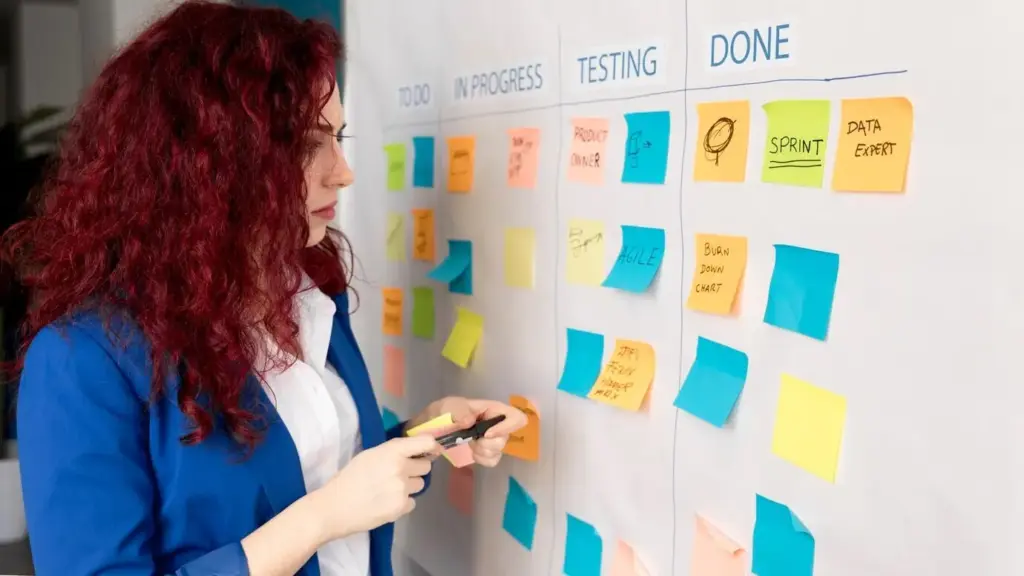
People notice you through window moments, street fairs, flyers at trusted venues, school newsletters, and map apps. Capture which channels spark curiosity and what instantly confuses. Add examples, photos, and phrasing. Then shape signage, listings, and partnerships accordingly. When discovery feels natural and respectful, neighbors approach with confidence, setting up smoother consideration and friendlier conversations from the start.

Consideration: Reviews, Proof, and Reassurance

At this stage, micro-proof beats grand claims. Feature local testimonials, before-and-after photos, price clarity, and accessible policies. Offer simple comparisons without dismissing competitors. Ensure staff can explain choices quickly with empathy. When reassurance meets curiosity, hesitation fades, and small commitments appear. Map what proof matters most, then place it exactly where customers need it, online and in-store.

Low-Fidelity Experiments You Can Launch Tomorrow

Print two versions of a curb sign and alternate hourly. Test a friendlier greeting script. Move bestsellers closer to the entrance. Add a QR code linking to availability. Use masking tape to mark traffic flow. Document results with quick photos and short notes. These scrappy trials build confidence and reveal leverage points hidden in plain sight.

Instrument Everything Ethically and Clearly

Track only what you need, disclose what you track, and store responsibly. Use unique QR parameters, call extensions, and short links for campaigns. Pair with door counts and simple tally sheets. Ask permission when appropriate. Transparency earns trust, improves data quality, and keeps experiments aligned with community values while still giving you actionable, accountable signals for decisions.

Iterate Weekly With Community Feedback

Close the loop by inviting reactions from customers and staff. Offer a small perk for completing a one-minute survey. Host a five-minute chat hour. Share what you changed and why. Post your results on the wall. Weekly cycles keep improvements visible, build shared pride, and turn mapping into an ongoing neighborhood conversation rather than a one-time event.

Sustain the Momentum: Metrics, Rituals, and Community Stories

Keep the wall alive with a simple cadence: weekly check-ins, monthly audits, and quarterly refreshes. Track leading indicators like inquiries, walking routes, and dwell time, not just revenue. Invite partners to co-create. Share stories publicly when appropriate. This rhythm embeds continuous improvement into everyday operations, making thoughtful local marketing feel natural, durable, and genuinely community-centered.
Solinervalexo
Privacy Overview

This website uses cookies so that we can provide you with the best user experience possible. Cookie information is stored in your browser and performs functions such as recognising you when you return to our website and helping our team to understand which sections of the website you find most interesting and useful.